Categoría: ASIA TRAVEL GUIDE

Asia is our homeland. We’ll show you Asia, better than anyone else!

  • The Ultimate Phu Quoc Travel Guide

    The Ultimate Phu Quoc Travel Guide

    Phu Quoc: Vietnam’s Largest Island Paradise

    Discover the breathtaking beauty of Phu Quoc, an expansive island resembling Thailand’s Phuket in size. With its crystal-clear waters, pristine sandy beaches, and captivating tropical landscapes, Phu Quoc is sure to mesmerize you. Exploring this island’s multitude of attractions and activities can be overwhelming, but fear not – our comprehensive Phu Quoc Travel Guide contains all the essential information to help you plan your perfect getaway.

    Phu Quoc Island – General Information

    1. Where is Phu Quoc?

    Situated in the southern region of Vietnam, Phu Quoc claims the title of the Gulf of Thailand’s largest island. Nestled within Kien Giang Province, this exquisite island is a jewel within a remarkable constellation of tourist destinations, which includes the enchanting Tho Chu Archipelago and a captivating array of neighboring islands.

    2. When is the best time to visit Phu Quoc?

    Phu Quoc welcomes its dry season from late October to April, offering an ideal window for tourists to relish sightseeing and various activities amidst delightful weather. This season also presents the perfect opportunity for sunbathing on the island, delivering a truly exceptional experience that enhances the enchantment of Pearl Island in Kien Giang Province.

    3. How to get to Phu Quoc Island?

    • By plane

    Phu Quoc International Airport (PQC) is located on Long Beach’s south side, approximately 9 kilometers from the city of Duong Dong. The airport enjoys frequent daily flights from Ho Chi Minh City, Hanoi, and other prominent cities, providing convenient access to Phu Quoc.

    • By ferry

    Ferry services operate at least once daily, connecting Ha Tien (1.5 hours) and Rach Gia (2.5 hours) with Phu Quoc, and vice versa, whenever weather conditions allow. The preferred choice for most passengers is the Superdong fast boat, known for its efficiency, organized service, air-conditioned cabins, and overall pleasant travel experience

    4. Transportation within Phu Quoc

    • By taxi

    Taxis are an excellent choice for short-distance group transport. Phu Quoc Island currently hosts several taxi services, such as Vinasun Phu Quoc Taxi, Taxi Mai Linh Phu Quoc, Saigon Phu Quoc Taxi, Taxi Sasco Phu Quoc, and Taxi Phu Quoc. It’s worth noting that taxi fares on the island are slightly higher than those on the mainland.

    • By motorbike

    Consider renting a motorbike if you are traveling solo or with an adventurous companion and desire the freedom of independent movement. Phu Quoc’s motorbike rental industry is relatively young but offers a diverse range of vehicles. The daily rental cost for a motorcycle on the island typically falls between 150,000 and 200,000 VND.

    • By bus

    Buses are a common mode of transportation on the island; however, Phu Quoc offers a limited number of bus routes with infrequent schedules.

    Top 10 Spectacular Attractions On Phu Quoc Island

    1. Long Beach (Bai Dai)

    Nestled along the northwest coast of Phu Quoc, Bai Dai stands as the ultimate destination for travelers in search of a remarkable beach experience.

    Stretching over an impressive 20 kilometers, this beach boasts glistening golden sands and pristine, crystal-clear blue waters, delighting all your senses. The graceful swaying of palm trees lining the shoreline sets a serene and tranquil ambiance, making it the perfect haven for relaxation. However, don’t be deceived by the calm surroundings, as Bai Dai offers a wealth of thrilling activities to partake in, including kayaking and scuba diving to explore the vibrant coral reefs beneath the surface. Immersing yourself in the captivating beauty of Bai Dai promises an experience you won’t soon forget.

    2. Sao Beach (Bai Sao)

    For those in search of a genuine slice of paradise on Phu Quoc Island, a visit to Bai Sao is an absolute must. This exquisite beach stands as one of the island’s hidden treasures, enchanting visitors with its crystal-clear azure waters, velvety white sands, and a rejuvenating climate that guarantees relaxation.

    What’s even more magical is the chance to witness thousands of starfish that emerge at night, adding an extra layer of charm to this already enchanting beach. Be sure to include Bai Sao in your itinerary to experience the rustic yet romantically captivating allure of this splendid destination!

    3. Phu Quoc National Park

    When planning your trip to Phu Quoc, be sure to carve out time for a visit to the enchanting An Thoi archipelago. Immerse yourself in the allure of the remarkably clear azure waters and awe-inspiring islands with a captivating boat excursion. The An Thoi archipelago is distinguished by its invitingly blue sea, pristine ivory beaches, and the radiant sun that graces the horizon.

    For a fun and exhilarating experience, consider embarking on a fishing tour aboard a boat. Any fish you reel in can be incorporated into the ship’s meal, adding a unique twist to your adventure. Moreover, Phu Quoc boasts Vietnam’s longest and most splendid coral reef, making it an ideal destination for swimming and snorkeling enthusiasts.

    4. Phu Quoc Prison

    • Operating hours: 8:00 – 17:00
    • Admission price: Free
    • Address: 350 Nguyen Van Cu, An Thoi commune, Phu Quoc Island.

    Exploring the Dark Past: Phu Quoc Prison

    Situated at the heart of the former “coconut prison,” Phu Quoc Prison has gained recognition as a prominent tourist attraction. In 1996, it was officially designated as a national historical relic and opened its doors to visitors. This site authentically recreates the harrowing conditions and gruesome tortures endured during the colonial era and the wars against the French and Americans.

    Featuring a remarkable two-story artifact gallery and an open-air exhibit of authentic relics, a visit to Phu Quoc Prison transports you to a time of unimaginable hardship – a place once dubbed “hell on earth” during the war. The exhibits vividly depict the atrocities committed by colonial and imperial administrations, serving as a sobering reminder of the brutality that characterized the past.

    5. An Thoi Islands

    Exploring the An Thoi archipelago is an absolute delight, inviting you to embark on a boat journey that reveals the unspoiled azure waters and picturesque islands. This enchanting island is quintessentially characterized by its crystal-clear blue waters, powdery white beaches, and the golden embrace of sunshine.

    For an exhilarating activity, consider joining a fishing tour aboard a boat, where the day’s catch becomes a delectable lunch served right on the cruise. Given that Phu Quoc is home to Vietnam’s longest and most breathtaking coral reef, seize the opportunity to indulge in swimming and snorkeling, immersing yourself in the aquatic wonders of this remarkable destination.

    6. VinWonders & Vinpearl Safari Phu Quoc

    Nestled within the Phu Quoc United Centre, a sprawling resort and entertainment complex along Long Beach, VinWonders Phu Quoc stands as one of Vietnam’s prominent theme parks and a top-tier attraction in Southeast Asia. This captivating destination has become a hallmark of Phu Quoc’s tourism landscape, encompassing 6 subdivisions with 12 distinct themes sprawled across a vast 46.7-hectare expanse.

    Venture further, and you’ll encounter Vinpearl Safari Phu Quoc, Vietnam’s inaugural semi-wildlife sanctuary, spanning a vast 380 hectares. This sanctuary shelters over 150 diverse species, including rare gems such as the South African rhinoceros, Indian tigers, Kenyan zebras, and more. A visit to this remarkable location provides not only the chance to observe these fascinating creatures but also to witness an array of engaging animal presentations.

    7. Fish sauce barrel house

    The barrel house is the popular name for handicraft manufacturing concentrated fish sauce in huge wooden boxes. In this region, local people dedicate themselves to the laborious process of crafting fish sauce, yielding golden, intensely aromatic drips. Phu Quoc fish sauce has gained recognition for its remarkable attributes, including a high protein content, alluring hue, and a truly distinctive flavor.

    For an immersive experience, you can delve into the intricate art of fish sauce production by visiting these barrel houses. The price of Phu Quoc fish sauce varies between 100,000 to 200,000 VND per liter, contingent upon the protein concentration, making it a sought-after treasure for discerning palates.

    Here are some Phu Quoc fish sauce barrel houses you may visit:

    • Khai Hoan fish sauce factory: No. 11 Hung Vuong Bridge, Duong Dong Town, Phu Quoc
    • Phu Quoc fish sauce barrelhouse: Nguyen Van Cu, Quarter 4, Phu Quoc District
    • Thinh Phat fish sauce factory: Street 30, Quarter 1, Duong Dong Town, Phu Quoc.

    8. Phu Quoc Pepper Garden

    The pepper gardens of Phu Quoc hold not only economic significance but also stand as some of the most captivating tourist attractions waiting to be explored. Phu Quoc pepper has earned a distinguished reputation for its outstanding quality, characterized by its petite seeds, delicate skin, robust flesh, spicy notes, and unparalleled aroma. Among these verdant pepper plantations, the lush greenery is a favorite backdrop for young visitors, who can’t resist capturing photos to share on their social media platforms.

    Some popular places to visit and buy pepper are:

    • Duc Minh – Duc Thanh pepper garden: Located on the extended 30/04 road, more than 1km from the center of Duong Dong town.
    • Khu Tuong pepper garden: most delicious pepper but is located on the way to Bai Thom commune, more than 30km from the town center.
    • In Phu Quoc’s northern region: There are several pepper gardens on the road to Ganh Dau that you might visit.

    9. Hon Thom Island

    Thom Island stands as an idyllic haven for those seeking to bask in the unspoiled beauty of nature. At the heart of Hon Thom’s charm lies its pristine azure beaches.

    Two must-visit gems on the island include Nom Beach, located on the southwest coast, and Chuong Beach, nestled in the island’s northern reaches. These paradisiacal stretches of coastline rival the beauty of Sao and Khem beaches on the main island, all while offering a more serene atmosphere with fewer visitors. For those with a passion for underwater exploration, Mui Ky Lan, aptly named Unicorn Cape, serves as a popular diving and snorkeling destination on Thom Island. With an array of robust hard coral species and abundant marine life, this underwater realm promises an unforgettable aquatic adventure.

    10. Ho Quoc Pagoda

    Ho Quoc Pagoda, also known as Truc Lam Zen Monastery, serves as a tranquil Buddhist temple nestled within an eco-tourism enclave. Situated approximately 18 kilometers from Duong Dong town, in the serene Soi Long Village, this temple is adorned with several majestic Buddha statues and an imposing bell.

    This monastery is gracefully perched in a picturesque setting, where the lush mountains provide a backdrop, while the expansive sea stretches before it. It’s worth noting that Ho Quoc Pagoda ranks among Phu Quoc’s premier spots for witnessing the breathtaking beauty of a sunset.

    11. Dinh Cau Temple

    When visiting Duong Dong town, a stop at Dinh Cau is a must. Perched on a distinctive cliff that extends gracefully into the sea, this temple is dedicated to Thuy Long Thanh Mau, a legendary figure celebrated for her valorous efforts in reclaiming Phu Quoc Island. Accessing Dinh Cau requires ascending 29 winding stone stairs.

    Nestled beneath the shade of a magnificent green tree, this historic temple exudes an enchanting and mystical allure, particularly during the tranquil moments of sunset. Consider arriving late in the afternoon to savor this captivating experience. Additionally, on the 15th of October each year, the Dinh Cau festival takes place, drawing thousands of tourists. It presents a splendid opportunity to immerse yourself in Vietnamese festival culture and traditions.

    Kinh Nghiệm Du Lịch Dinh Cậu Phú Quốc và Những Truyền Thuyết Ly Kỳ

    10. Phu Quoc Night Market

    Phu Quoc Night Market: A Must-Visit Culinary and Shopping Hub

    Opposite the bustling Duong Dong market, the Phu Quoc night market is an attraction that should undoubtedly find its place on your itinerary. This vibrant night market is renowned for its diverse array of local specialties and street food delights, including Thai ice cream rolls, roasted peanuts, Phu Quoc sweets, and delectable rice paper treats, among others.

    Furthermore, the market offers a plethora of souvenirs, with pearls being a standout feature. While exploring, be sure to savor the mouthwatering seafood dishes that the market has to offer, all at reasonable prices.

    Chợ Đêm Phú Quốc - Thiên Đường Ẩm Thực Đảo Ngọc | TIKI

    10. Ham Ninh Fishing Village

    Ham Ninh Fishing Village: An Authentic Island Experience

    Nestled beneath the majestic Ham Ninh mountain, Ham Ninh fishing village graces the eastern shore of the island, approximately 20 kilometers from the heart of Duong Dong. This charming village provides an exceptional opportunity to immerse yourself in the local way of life.

    While here, you can explore a variety of crab farms and seafood farms, gaining insights into how the locals live, work, and prepare their seafood delicacies. Furthermore, Ham Ninh offers a range of enjoyable activities, including fishing, pearl and sea cucumber gathering, and the fascinating art of casting fishing nets, all of which promise a memorable island adventure.

    Khám phá làng chài Hàm Ninh và trải nghiệm thiên đường ăn uống hấp dẫn

    14. Phu Quoc 4 Islands

    Discover Phu Quoc’s Enchanting Four Islands: Fingernail, Dam Ngang, May Rut, and Pineapple. Situated near the southern tip of Phu Quoc Island, these islands, with a special mention of Dam Ngang Island, are celebrated for their pristine beauty and crystal-clear waters, which envelop a breathtaking underwater ecosystem.

    If you’re eager to explore these four captivating islands conveniently, embarking on a guided tour is an excellent choice. Numerous local businesses offer 4-island tours, providing a hassle-free way to experience the natural wonders of these remarkable destinations.

    Tour Cáp treo Hòn Thơm - Cano 4 đảo Phú Quốc 1 ngày ®Hitour

    Phu Quoc’s Culinary Delights: Must-Try Dishes

    1. Bun Quay Kien Xay

    Shrimp noodles, hailed as Phu Quoc’s most iconic dish, promise an unforgettable culinary journey. The term “quậy” aptly translates to “to stir,” as these noodles are freshly crafted right within the restaurant, transitioning directly from the press into a bubbling kettle of water, where they are gently swirled to perfection.

    Here’s the artistry: finely crushed fish paste and shrimp paste elegantly unite and gracefully swirl within the vessel. Following this, the noodles take a quick plunge into the boiling water, ensuring you relish the broth’s unparalleled freshness and sweetness.

    Bún Quậy Kiến Xây Bán Ngày Cả 100Kg Bún Có Gì Đặc Biệt? Đi Đâu Ăn Gì - YouTube

    2. Herring Salad

    This delectable dish harmoniously combines crisp, fresh vegetables with succulent fish, promising to delight your taste buds. To relish each and every bite, start by laying out a sheet of rice paper, then generously layer it with herring and a variety of vegetables. Carefully roll it into a delightful bundle and dip it into the rich and flavorful fish sauce. Savor this mouthwatering meal at your own pace, treating yourself to an indulgent and truly delicious experience!

    Gỏi cá trích Phú Quốc - Đặc sản tươi ngon của vùng biển đảo

    3. Banh Canh Cha Ca Thu

    Phu Quoc’s Banh Canh is renowned for its irresistible crispy fish cakes, skillfully crafted from mackerel and expertly seasoned. The flavorful soup is a local Phu Quoc creation, simmered using a combination of boiled mackerel bones, pork bones, and minced pork. In addition, the thick noodles, fashioned from rice flour, boast a delightful chewy texture that pleasantly melts on your tongue.

    Bánh canh chả cá thu Hạnh – Quán ăn đặc sản Phú Quốc siêu hấp dẫn giá

    4. Grilled Sea-Urchin

    While Exploring the Phu Quoc Night Market, Don’t Miss the Chance to Savor the Renowned Delicacy: Sea Urchins. Local residents of Phu Quoc, the ‘Pearl Island,’ liken its taste and health benefits to that of sea ginseng.

    Đến Côn Đảo thưởng thức đủ món cầu gai nhiều dưỡng chất

    5. Ham Ninh Crab

    Ham Ninh crab meat is known for its firm texture and naturally sweet flavor, making it a culinary treasure. This exquisite ingredient serves as the star in a variety of dishes, from crab porridge to crab hotpot and even beer-steamed crab. However, perhaps the most beloved creation featuring Ham Ninh crab is the simple yet exquisite steamed crab. To savor it at its finest, dip the crab meat in a mixture of salt, pepper, and a gentle drizzle of lemon juice, allowing your taste buds to revel in the harmonious blend of flavors.

    Ghẹ Hàm Ninh - Loại Đặc Sản Nổi Tiếng Vùng Biển Phú Quốc - haisan.online

    6. Slipper Lobster

    Prepare to be pleasantly surprised by the exquisite flavors of slipper lobster that go beyond your expectations. The classic method involves boiling the lobster to perfection, allowing you to relish the sweet and succulent meat as it harmonizes with a blend of black pepper salt and zesty lime juice. Alternatively, Phu Quoc’s local eateries offer a variety of preparations, from grilled slipper lobster with cheese to stir-frying with butter and garlic, or savoring it as grilled slipper lobster with spring onion-infused oil. Each preparation promises a delightful culinary adventure.

    Nhà hàng Động Tôm Hùm Phú Quốc - Rooty Trip

    Gift Ideas for Souvenirs from Phu Quoc Island

    If you’re planning to bring back gifts after your vacation, here are some delightful suggestions:

    • Pearls: Phu Quoc Island boasts high-quality semi-artificial pearls that make exquisite gifts for your loved ones.
    • Phu Quoc Marine Delights: Consider dried prawns, dried squid, dried lychee, dried flea fish, dry mackerel, dried barracuda, and more as unique marine-themed presents.
    • Phu Quoc Fish Sauce: Renowned for its distinct flavor, Phu Quoc fish sauce is among the finest gifts to bring back home.
    • Rose Myrtle Wine: Known for its medicinal properties, such as pain relief and digestive aid, rose myrtle wine is a thoughtful gift choice.
    • Kheo Cake: This rustic cake, crafted from wheat and various fillings like taro, green beans, and coconut, offers a delicious flavor that lingers in your memory.
    • Phu Quoc Pepper: With its exceptional spiciness and aromatic profile, Phu Quoc pepper stands as another top-notch gift option to consider.


  • Inle Lake: Captivating Reflections of Local Life

    Inle Lake: Captivating Reflections of Local Life

    Inle Lake: Myanmar’s Second Largest Natural Wonder

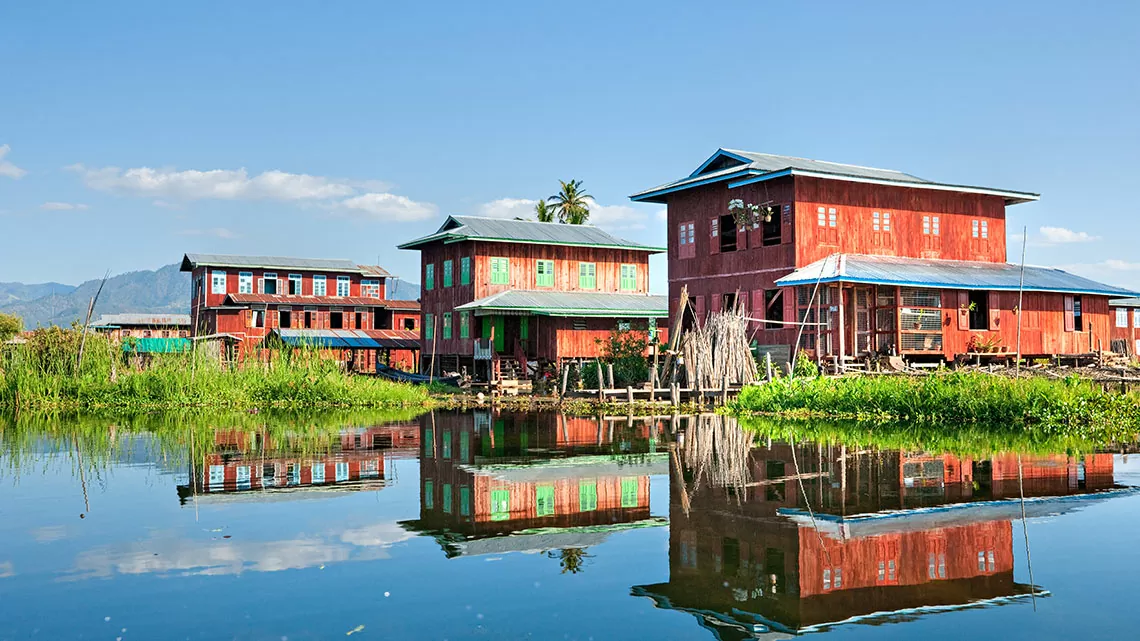
    Nestled within the serene Nyaungshwe Valley of the Shan Plateau, Inle Lake stands as Myanmar’s second-largest natural lake. Cradled between two north-to-south mountain ranges, this ethereal landscape offers a stark contrast to the rest of Myanmar, resembling a world apart.

    Here, the unique way of life is defined by the floating villages, lush gardens, and distinctive culture of its inhabitants, crafting a distinctive tapestry around this freshwater oasis.

    Unveiling the Mystique of Inle Lake: A Journey into its Enchanting Wonder

    Inle Lake: Why Is It So Special?

    Condé Nast Traveler Recognizes Inle Lake as a Must-Visit in Asia

    In the world of travel, Inle Lake has gained prestigious recognition as one of the top five new Asian destinations for every traveler’s bucket list. This natural wonder’s allure extends beyond its breathtaking natural beauty to the harmonious relationship it shares with the people who dwell in its vicinity.

    Inle, which means “big lake,” is located at an elevation of 889 m, surrounded by towering mountains, and covers an area of 220 km2. The lake’s deepest point is roughly 6 meters, with water levels fluctuating seasonally between dry and full water seasons. Arriving at the lake, travelers often find solace in their souls, enveloped by the profoundly tranquil vistas of its lakeside towns.

    Inle Lake has been home to the Inthar ethnic group for millennia, offering visitors an enriching opportunity to delve into the cultural tapestry of these indigenous communities. Among them are the Padaung, renowned for their long-necked traditions, whose distinctive cottages and structures grace the lake’s waterscape, serving as hubs for social and agricultural activities.

    Top Attractions To Explore In Inle Lake

    1. Floating Gardens

    Nowhere else can one encounter gardens of such breathtaking beauty as those adorning Inle Lake. The inhabitants of the lake’s charming stilted villages painstakingly nurture magnificent floating gardens, where they cultivate fresh produce for their delectable traditional cuisine.

    Nestled on the northwest shores of the lake lies the largest and most expansive of these gardens. Here, lush foliage extends in meticulous rows well beyond the waterfront homes, and it’s a common sight to witness locals diligently tending to their growing plants from the comfort of their petite wooden boats. In fact, some of the oldest gardens have become so resilient that they can be walked on foot, thanks to the plant roots that have firmly anchored them to the lake bottom, lending stability to these floating oases.

    2. 17 villages

    Surrounding the lake’s perimeter are 17 distinctive villages and islands, each possessing its own rich tapestry of customs and cultures. The Intha tribe, celebrated for their remarkable one-leg rowing technique, stands as the largest among them. While some Inthars call floating islands home, dwelling in houses and wooden cottages that seemingly levitate on the water’s surface, others reside along the communal lakefront. Moreover, this region is a harmonious mosaic of diverse tribes, including the Akha, Khun, Lahu-Na, Lahu-Shi, and Lisu, among others. Inle Lake serves as a tranquil sanctuary where these various groups coexist in peaceful harmony.

    3. Five-day market

    Exploring Inle Lake’s Vibrant Floating Market: A Must-Experience Activity

    One of the most coveted experiences at Inle Lake is undoubtedly a visit to its bustling floating market. This daily market fulfills the region’s primary shopping needs, serving as a hub of activity and commerce. What makes it even more intriguing is the five-day market rotation that encompasses various locales around Inle Lake, including the towns of Nyaung Shwe, Heho, Taunggyi, Minethauk, and Shwe Nyaung. Each town hosts its own itinerant market on a designated day of the five-day cycle.

    This lively waterborne marketplace magnetizes a diverse crowd, comprising local Shan and Intha communities, alongside a significant number of Pa-O villages and the famed long-necked Padaung people. As visitors meander through this spirited congregation, they have the opportunity to delve into the myriad of distinct and captivating local cultures that converge in the Inle Lake region.

    4. Phaung Daw U Pagoda

    The Enchanting Phaung Daw U Pagoda: A Pinnacle Attraction at Inle Lake

    This red-and-gold tiered pagoda is the most popular attraction in the Inle Lake area. The walls of the temple are covered with paintings depicting Buddhist legends, making it absolutely stunning both inside and out. Nestled at the heart of this sacred sanctuary lies an exquisite shrine, home to five diminutive Buddha sculptures of profound religious significance.

    The sculptures of Phaung Daw U Pagoda are well-known Buddhist relics wrapped in gold leaf, which worshippers use every day when they come to pray. To honor the five representations of Buddha, an 18-day Pagoda Festival unfolds annually, gracing the region with its vibrant celebrations. This festive extravaganza features the royal barge procession, exhilarating local boat races, and an array of captivating events, collectively forming an unmissable spectacle.

    5. Shwe Yaunghwe Kyuang

    The Old Teak Monastery of Nyaungshwe: A Pictorial Marvel

    Distinguished by its unique circular windows adorning the aged teak thein, or ordination hall, this monastery stands as a veritable haven for photographers. Its picturesque frames provide the perfect backdrop for capturing images of the novices, rendering it the most iconic monastery in Nyaungshwe.

    A daily ritual unfolds around 11 a.m. as the monks convene for meditation, offering guests a chance to observe or even partake in this tranquil practice. Adorning the temple walls are myriad small alcoves, each harboring a diminutive Buddha statue. These sacred monuments are a collective testament to the global community’s reverence, with contributions from far-flung corners such as France, the United States of America, and Australia. Together, they paint a vivid and resplendent tableau against the backdrop of brightly hued walls and intricately patterned tile flooring.”

    6. Kakku

    Kakku: An Ancient Pagoda Complex Overlooking Inle Lake

    Kakku, a site dates back to the 12th-century, beckons with its congregation of 2,500 historic pagodas perched majestically above Inle Lake. The majority of these pagodas on the property are the same size, standing in orderly rows that contribute to the site’s aesthetic appeal. Nestled at the heart of this expansive complex is the principal pagoda, a towering edifice that reaches an impressive height of 130 feet.

    Situated on the outskirts of Inle Lake within the Pa-O territory, the journey to Kakku unfolds over approximately 3 hours by car. The route meanders through picturesque landscapes, navigating narrow winding roads that traverse traditional Pa-O villages and fertile farmland, making for a truly delightful and scenic drive.

    7. Nga Hpe Kyuang

    Nga Hpe Kyaung Monastery: Where Cats Once Leaped, and Buddha Pictures Now Shine

    Located on the western shores of Inle Lake, Nga Hpe Kyaung Monastery once held fame for its leaping cats, captivating visitors with their nimble acrobatics as they gracefully jumped through hoops during the intervals between scripture recitals. However, in recent times, the art of cat-leaping has waned, with the new feline generation showing a preference for slumber over gymnastics.

    Nonetheless, the monastery boasts a compelling attraction in the form of its remarkable collection of ancient Buddha images. The grand meditation hall, constructed four years prior to the Mandalay Palace, stands as a testament to exquisite craftsmanship. Within its hallowed walls, one can behold a treasure trove of Buddha statues, representing a blend of Shan, Tibetan, Bagan, and Inwa (Ava) artistic styles. These statues rest upon elegant wooden and mosaic pedestals, adding to the monastery’s allure.

    8. Inthein Stupa Complex

    The Enchanting Inthein Stupa Complex: Where a Stupa Forest Rises

    The Inthein Stupa Complex is a sea of beautiful spires rising from the ground like a stupa forest. Nestled into the hillside, this extraordinary complex plays host to an astounding array of over 1,600 stupas, some of which are adorned with exquisite carvings and gilded splendor.

    While certain pagodas have undergone meticulous restoration, others bear the marks of time with visible cracks in their foundations, hinting at nature’s gradual reclamation of these sacred structures. The complex can be divided into two distinct groupings of stupas. The first cluster, located near the boat docks, boasts pagodas adorned with captivating depictions of legendary animals. The second ensemble rests atop a hill, affording visitors panoramic vistas of the entire Indein Stupa Complex, along with the picturesque landscape that stretches out below.

    9. Red Mountain Estate Vineyard

    Discover the Exceptional Red Mountain Estate Vineyard in Myanmar

    The Red Mountain Estate Vineyard stands as a remarkable winemaking destination in Myanmar, where nine distinct wine varieties are meticulously crafted from locally cultivated grapes. This vineyard extends an invitation to guests to partake in affordable wine tastings and explore the lush vineyards through guided tours.

    Nestled serenely on the lower slopes of the mountain, this winery provides the perfect setting for unwinding as the sun dips below the horizon. Picture yourself savoring a delectable cheese platter, accompanied by a glass of fine wine, all while in delightful company. The vineyard’s outdoor patio offers a truly mesmerizing panoramic vista that encompasses Nyang Shwe and the picturesque valley that meanders toward the enchanting Inle Lake

    6 Inle Lake Interesting Facts You May Not Know

    1. The Floating Gardens: A Farming Tradition on Lake Inle Since the 19th Century

    Farming on floating gardens above the lake’s waters has been a tradition that predates its surge in popularity during the 1960s. The roots of this agricultural method can be traced back to the 19th century when farmers made the innovative choice to cultivate on the lake itself rather than its surrounding areas.

    Despite facing threats from pollution, lake runoff, and various challenges associated with climate change, this approach has consistently contributed to the growth of the region’s economy over the years.

    2. Boys Begin Training in One-Leg Rowing at the Age of 13

    The ancestors of the Intha people ingeniously devised a solution to keep their boats moving while fishing. This technique involved propelling the boats using one of their legs while simultaneously handling the fish nets manually. This unique fishing method has been passed down as a cherished tradition from one generation to the next for thousands of years. Intha himself is said to have acquired this skill at the age of 13 and practiced it diligently until he reached the age of 75.

    3. Inle’s Floating Gardens Produce the Finest Tomatoes in Myanmar

    Throughout the 8-month growing season, tomatoes are harvested when they are still green or just beginning to blush and are then distributed across Myanmar. The tomatoes cultivated in Inle are renowned for their exceptional quality, making them some of the finest in the country.

    These Inle tomatoes play a pivotal role in crafting a traditional Myanmar tomato salad, which also features sliced shallots and peanuts. To create this beloved and famous Myanmar salad dish, a delightful sesame seed dressing is incorporated into the mix.

    4. Floating Gardens Cover 25% of the Lake’s Surface 

    Floating gardens, comprised of a variety of fresh produce like fruits and vegetables, extend over approximately 25% of the lake’s surface. These agricultural plots are reputedly shielded by an outer barrier formed by reeds and water hyacinths.

    In order to safeguard the cultivated areas, reeds and water hyacinths are occasionally interspersed with vibrant annuals such as Cleome and Amaranthus.

    5. Handicrafts & Weaving Are Important Local Industries

    Handicrafts play a vital role in the local economy, with numerous exquisite creations like woodcarvings, smoking pipes, ornaments, textiles, cheroots (hand-rolled cigars), and various other handmade items crafted within cottage industries. These goods find their way to both local markets and those catering to tourists.

    Weaving represents another prominent local industry, with a significant production of Shan bags for everyday use. The Inle longyi, a luxurious garment meticulously woven from silk fibers, is also a renowned specialty of the region. Additionally, the kya thingahn, a delicate robe crafted from lotus plant fibers, is used to adorn revered Buddha figures.

    6. Inle Lake Host One of Myanmar’slargest Buddhism Festivals 

    The Phaung Daw Oo Pagoda Festival, celebrated in the charming stilted villages dotting Inle Lake, stands as one of Myanmar’s most significant Buddhist festivals. This grand event unfolds from the first day of the waxing moon to the third day after the full moon of Thadingyut, which typically corresponds to the months of September and October in the Western calendar.

    During this remarkable festival, four out of the five revered Buddha statues are ceremoniously transported around the lake on a magnificent golden barge. This splendid vessel is towed by traditional long boats, expertly manned by hundreds of rowers, and the procession continues for over 20 days.

    Let Us Help You Plan Your Trip To Myanmar.

    Planning a holiday should not make you feel overwhelmed. That’s why our team of experienced travel advisors is here to assist you. By entrusting us with your travel aspirations, we can offer tailor-made suggestions and assist you with every facet of your trip arrangement. Our aim is to guarantee that your holiday experience aligns perfectly with your individual preferences and needs.

  • Siem Reap Beyond Temples: 15 Must-Do Activities for a Memorable Experience

    Siem Reap Beyond Temples: 15 Must-Do Activities for a Memorable Experience

    While Angkor Wat, a globally renowned attraction, remains a captivating must-visit in Siem Reap, this city offers far more than just its splendid temple complex. In this article, we’ll unveil the top 15 things to do in Siem Reap beyond its temples. Rest assured, your Siem Reap adventure will be anything but ordinary

    1. Watch Performances At Phare Circus

    Make sure to include the Phare Circus in your Siem Reap itinerary! This one-hour extravaganza seamlessly combines traditional and contemporary theater, comedy, music, dance, and acrobatics to deliver an electrifying experience that will leave you spellbound. The extraordinary skills and boundless energy of the performers have earned the Phare Circus high praise from tourists. Be sure to mark your calendar for the nightly 8 p.m. shows, ensuring you don’t miss out on this exhilarating and unforgettable performance!

    2. Shop At The Old Market/Psar Chas

    Make sure to add the Old Market, locally known as Psar Chas, to your list of things to do in Siem Reap. This vibrant marketplace comes alive during the day, featuring an array of stalls selling fresh fish, meats, aromatic spices, clothing, souvenirs, and authentic Cambodian handicrafts. Exploring the Old Market provides a fascinating glimpse into Cambodian daily life and culture, and the shops are open around the clock. Ensure you don’t pass up this distinctive and immersive experience!

    3. Hunt For Unique Items In The Night Markets

    Near the old Old Market, you can find the Phalla Angkor Night Market and the Angkor Night Market. These vibrant marketplaces host numerous stalls where you can peruse and purchase local handicrafts, artwork, silk products, and dine at various restaurants. Exploring the diverse offerings of local vendors is always an exhilarating experience, plus, it’s an opportunity to improve your bargaining skills!

    4. Embark On A Siem Reap Food Tour

    Embarking on a food tour stands as one of the most immersive ways to fully embrace Cambodian culture and cuisine. Under the expert guidance of a knowledgeable local tour guide, you’ll venture into a bustling night market where you can indulge in authentic local fare, savoring some of the most delectable dishes the region has to offer. Beyond relishing traditional Khmer cuisine, you’ll also gain insights into the country’s rich cultural heritage.

    From beloved street food delicacies to tantalizing snacks and hearty dinners, your food tour promises a diverse array of mouthwatering specialties to discover. Even if you follow a vegetarian diet, rest assured that many options cater to your preferences on vegetarian food tours.

    5. Join A Pottery Class

    If you’re searching for an enjoyable and creative activity to do in Siem Reap, why not give pottery making a try? You’ll have the chance to immerse yourself in the art of crafting beautiful pottery just like a local artisan, and even depart with a one-of-a-kind keepsake, such as an Angkor-style bowl. For expert guidance and inspiration, the Khmer Ceramic and Fine Arts Centre is the perfect destination. Here, you can shape and design your very own bowl, letting your creativity flow freely. This activity is an excellent choice for those seeking a fun and distinctive experience!

    6. Visit The War Museum Cambodia

    Exploring this museum feels like a journey through Cambodia’s captivating history, offering a glimpse into its rich heritage. Within its walls, you’ll encounter a wide-ranging exhibit of historical military artifacts, spanning ancient eras, including aircraft, tanks, landmines, and cannons, though some may show signs of wear.

    The museum’s noble mission is to safeguard this collection for future generations, ensuring that the legacy of Cambodia’s civil war endures. Open daily from 8 a.m. to 5:30 p.m., a visit here promises to leave you with indelible memories.

    7. Tour The Landmine Museum

    For those interested in delving into the history of the Civil War and gaining a close-up view of landmines, the Land Mine Museum stands as an excellent destination. Founded by a former soldier with a heartfelt mission to aid the communities in which he once fought, this museum tells a remarkable story. The soldier personally disarmed the very landmines he had once laid by hand.

    Beyond its role as a museum, it serves as a Relief Facility, providing free food, shelter, and education to children in need. The funds generated by the museum are channeled into the construction of schools and the provision of free education for children in Cambodia. It’s a noteworthy organization dedicated to fostering positive societal change.

    8. See The Life On Tonle Sap Lake

    If you’re seeking an adventurous experience, Siem Reap has an exhilarating opportunity in store for you! Embark on an eco-tour of the expansive Tonle Sap Lake, the largest freshwater lake in all of Southeast Asia. This vast floodplain sprawls across an area ranging from 2,500 to 12,000 square kilometers and is inhabited by numerous communities residing in stilted houses.

    During your tour, you’ll embark on a boat ride leading to one of the floating villages nestled on the lake’s waters. Here, you can explore crocodile farms, discover unique souvenirs, and savor delectable local cuisine. And if that’s not enough, you can even indulge in a sunset meal while soaking in the breathtaking vistas of the lake.

    9. Explore the Jungle: Angkor Zipline Adventure

    Craving some outdoor thrills amidst the lush forest, especially after a day of temple exploration? Look no further than Angkor Zipline! This adventure is tailor-made for families and intrepid travelers alike. With safety as the utmost priority, you can relish your zipline experience with complete peace of mind. While soaring through the treetops, be sure to keep a keen eye out for gibbons – encountering these majestic creatures amidst your ziplining adventure adds a genuinely unique and gratifying dimension to your Siem Reap journey.

    10. Chill On Pub Street

    After immersing yourself in the rich tapestry of history, culture, architecture, and landscapes, it’s time to don your dancing shoes for an unforgettable evening at Pub Street, the vibrant nightlife hub of Siem Reap. As the clock strikes 5 p.m., the street transforms into a haven for backpackers, closing to traffic and igniting with a lively atmosphere. Here, you’ll find a plethora of vibrant bars and a bustling ambiance that instantly uplifts your spirits as you observe people relishing their dining and drinking experiences.

    Sip on a refreshing Cambodian beer, available for as little as $0.50, while other drinks won’t set you back more than $5. Some bars extend their opening hours until 4 a.m., complete with live musical performances. Immerse yourself in the electrifying energy of this popular hotspot!

    11. Cook Your Own Cambodian Food

    To truly immerse yourself in the vibrant culture of Siem Reap, don’t miss the opportunity to enroll in a cooking class. It’s an enjoyable way to savor authentic local cuisine while mastering the art of preparing it yourself. Explore some excellent options like the Paper Tiger Cooking Class, Khmer Cooking Class at a Local’s Home, Cambodian Village Cooking Class, Morning Cooking Class and Market Tour, and Cambodian Desserts Cooking Lesson with Tastings. Ensure you seize this incredible experience!

    12. Capture Siem Reap’s Beauty: Join a Photography Tour

    Why not embark on a photography tour to capture the most captivating angles, corners, and scenic wonders of Siem Reap? Early summer emerges as the optimal season for this adventure, offering clear skies and moderate temperatures that create ideal conditions for stunning shots.

    13. Watch The Beautiful Sunset At Srah Srang

    Unearth the Hidden Treasure of Siem Reap: Srah Srang. At first glance, this man-made lake may appear unassuming, but it harbors a secret that will leave you awe-struck. Once the site of a floating temple, now watched over by guardian serpent statues, this locale offers a breathtaking sunset panorama that should not be overlooked. Remember to include this destination in your Siem Reap itinerary, especially during the dry season, for an utterly unforgettable experience.

    14. Picnic In Phnom Kulen National Park

    15. Indulge in a Relaxing Massage Experience

    When traveling in Southeast Asia, don’t miss the chance to enjoy this thrilling activity. Numerous massage parlors throughout the city offer it at incredibly affordable rates, ranging from $1 to $7. Alternatively, you can partake in the renowned fish spa experience, priced at only $5 to $10. In a fish spa, you’ll immerse your feet in a tank filled with fish that gently nibble away dead skin, creating a delightful tingling sensation. You can even sip on a refreshing beer as the fish work their magic, leaving your feet feeling impeccably clean. Whether you have some leisure time or are planning a trip to Angkor Wat, this is an excellent way to unwind and pamper yourself.

    With over 12 years of experience in the tourism industry, Open Asia Travel has established itself as a top-tier, trustworthy, tailor-made travel agency in Vietnam and Asia. Our unwavering commitment to understanding our customers’ needs and preferences allows us to craft exceptional holidays. Many of our satisfied customers have recommended our bespoke tours to their friends and family, a testament to our dedication to ensuring their complete satisfaction. Because our customers deserve it, we consistently strive to assure them of complete satisfaction.

  • The Ultimate Guide: Top 10 Destinations for Your Vietnam Cambodia Thailand Tour

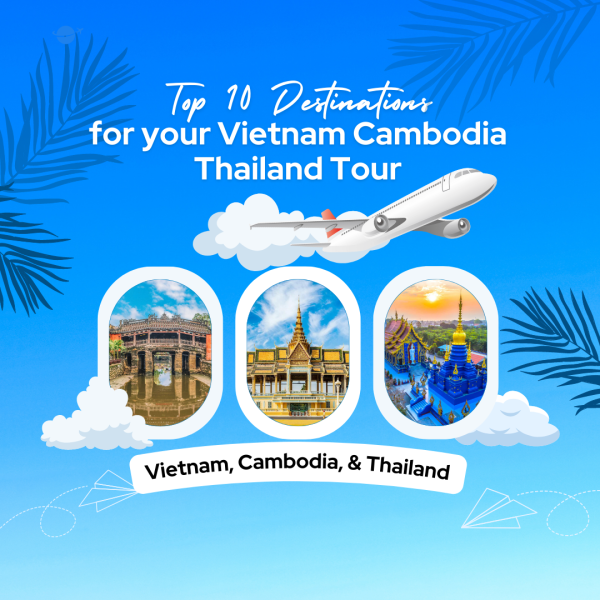
    The Ultimate Guide: Top 10 Destinations for Your Vietnam Cambodia Thailand Tour

    Southeast Asia is a captivating region, rich in history, culture, and natural splendor. Among its treasures, Vietnam, Cambodia, and Thailand stand out as must-visit destinations for those seeking the region’s finest offerings. These countries boast a remarkable diversity of attractions, encompassing ancient temples, historic landmarks, breathtaking natural scenery, and bustling metropolises. Whether you’re a dedicated culture enthusiast, a nature aficionado, or an intrepid adventurer, these destinations hold an array of experiences to suit every preference. Prepare to embark on a journey into a realm of wonder as we delve into the top 10 destinations within these countries in the following article.

    1. Hanoi, Vietnam

    Hanoi, the vibrant capital of Vietnam, is a captivating fusion of contemporary and time-honored cultures. Renowned for its picturesque lakes, tree-adorned boulevards, and colonial-era architecture, the city exudes a unique charm. A visit to the Old Quarter is essential, where you can meander through labyrinthine alleyways adorned with shops, cafes, and temples. This city is a culinary haven, allowing you to savor Vietnam’s renowned dishes. For those seeking fresh air and tranquility, venturing into Hanoi’s outskirts is a splendid choice.

    2. Halong Bay, Vietnam

    Halong Bay stands as one of Vietnam’s premier tourist magnets, and its acclaim is well-justified. As a UNESCO World Heritage Site, it enchants visitors with a stunning seascape formed by over 1,600 limestone islands and islets. An all-inclusive Halong Bay Cruise package offers an exceptional opportunity to venture into the bay’s wonders, including remarkable caves, idyllic beaches, and picturesque fishing villages. Beyond the iconic attractions, you can partake in additional activities like cooking demonstrations, Tai Chi morning lessons, squid fishing, and, notably, kayaking and swimming.

    3. Hoi An Ancient Town, Vietnam

    Nestled in Central Vietnam, Hoi An town has earned UNESCO recognition as a World Heritage Site due to its exceptional preservation efforts. This petite town is celebrated for its architectural splendor, culinary delights, and renowned tailoring. What sets Hoi An apart is its distinctive ancient houses, rendering it a standout among Vietnam’s cities. The town is also replete with historical landmarks, including the iconic Japanese Covered Bridge, the Phuc Kien Assembly Hall, Ong Pagoda, the Tan Ky old house, and the Phung Hung ancient house. These vestiges bear witness to Hoi An’s past as a bustling international commercial port, frequented by merchant ships from Japan, China, and the West.

    4. Ho Chi Minh City, Vietnam

    Formerly recognized as Saigon, Ho Chi Minh City is Vietnam’s largest and most bustling metropolis. This city seamlessly blends the old and the new, showcasing French colonial architecture exemplified by landmarks like the Notre-Dame Cathedral and Central Post Office, alongside revered temples such as the Jade Emperor Pagoda and Thien Hau temples, all harmonizing with modern skyscrapers and vibrant shopping malls. Ho Chi Minh City also offers poignant reminders of the Vietnam Wars, with renowned attractions including the War Remnants Museum and the Cu Chi Tunnels.

    5. Siem Reap, Cambodia

    Siem Reap is the gateway to the ancient temples of Angkor, one of the world’s most impressive archaeological sites. These temples, among them the iconic Angkor Wat, were constructed during the 12th century, offering a captivating window into the history of the Khmer Empire. Exploring sites like Ta Prohm, visitors are astounded by the remarkable trees entwined within the temple stones and the lush surroundings enveloping these magnificent structures

    6. Phnom Penh, Cambodia

    Phnom Penh, the captivating capital of Cambodia, stands as a dynamic city, renowned for its distinctive fusion of French colonial architecture, Khmer temples, and bustling markets. Nestled at the confluence of the Tonle Sap, Bassac, and Mekong rivers, it possesses a unique charm that sets it apart from other Asian metropolises. The city is graced by landmarks such as the Royal Palace, the National Museum, and the poignant Killing Fields, serving as solemn reminders of Cambodia’s tragic recent history.

    7. Bangkok, Thailand

    Bangkok is a city that never sleeps, with vibrant street life, delicious street food, and world-class shopping. Within its boundaries lie numerous historic treasures, among them the illustrious Grand Palace and the revered Temple of the Emerald Buddha. Moreover, it serves as an exceptional hub for immersing oneself in Thai culture, offering traditional dance performances and thrilling Muay Thai boxing matches. For nocturnal adventurers, the city’s sky bars and vibrant party streets are not to be overlooked.

    Bangkok - What you need to know before you go – Go Guides

    8. Chiang Mai, Thailand

    Chiang Mai is the cultural capital of Thailand, famous for its ancient temples, traditional handicrafts, and breathtaking natural vistas. Nestled amidst mountains and jungles, the city offers an ideal launchpad for trekking and a plethora of outdoor adventures. Here, one can also engage in heartwarming encounters with elephants at the Elephant Jungle Sanctuary. Moreover, Chiang Mai serves as a gateway to the legendary Golden Triangle region, inviting exploration and discovery.

    Tour Du Lịch Khám Phá Chiang Mai – Chiang Rai 4n3d

    9. Phuket, Thailand

    Phuket, Thailand’s largest island, is a sought-after tourist haven, celebrated for its pristine beaches, crystalline waters, and vibrant nightlife. Visitors can embark on boat excursions to discover neighboring islands or pay a visit to the renowned Big Buddha statue, which offers panoramic views of the island. The plethora of water-based activities and sports available here adds an adventurous and engaging dimension to your trip.

    Kinh nghiệm du lịch Phuket – thiên đường du lịch biển của Thái Lan

    10. Koh Samui, Thailand

    Koh Samui beckons with its renowned beaches, including the likes of Chaweng Beach, Lamai Beach, and Maenam Beach. This tropical haven, adorned with ivory sands, crystalline waters, and verdant landscapes, presents a plethora of experiences, spanning from water sports and snorkeling to elephant trekking and rejuvenating spa indulgences. It’s also a place where extraordinary accommodations, sought-after by honeymooners and families alike, add a touch of enchantment to your stay.

    To sum it up, embarking on a tour of Vietnam, Cambodia, and Thailand promises an unparalleled and enduring adventure. These countries, with their historic treasures, cultural richness, breathtaking natural panoramas, delectable cuisine, and captivating beaches, cater to a diverse array of tastes and preferences. Ensure that your itinerary includes these top 10 destinations to craft an indelible and cherished holiday experience.


  • Unlocking the Best Time for Your Vietnam Cambodia Tour Package

    Unlocking the Best Time for Your Vietnam Cambodia Tour Package

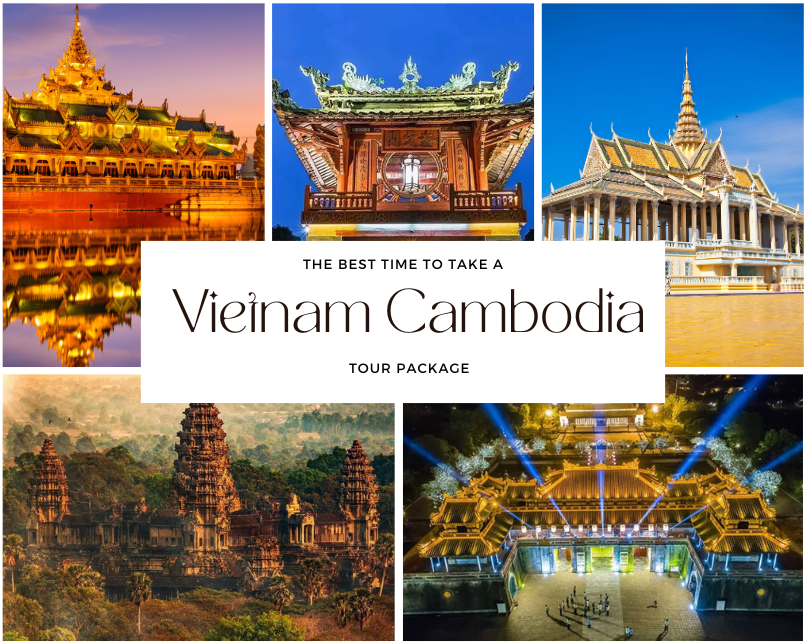
    Vietnam and Cambodia rank among Southeast Asia’s most captivating destinations, each boasting a wealth of cultural heritage and natural splendor. Crafting the ideal Vietnam Cambodia tour package can pose a challenge, particularly when it comes to selecting the optimal time for your visit. In this article, we delve into key factors to ponder when determining the timing for your Vietnam Cambodia tour:

    Weather Conditions

    One of the foremost considerations when organizing your Vietnam-Cambodia tour revolves around weather patterns. Weather conditions in both nations exhibit considerable variations depending on your time of visit. As a rule of thumb, the prime period to explore both Vietnam and Cambodia coincides with the dry season, generally spanning from November to April.

    During this dry season, you can anticipate milder temperatures and reduced precipitation, rendering outdoor exploration and sightseeing more convenient. Vietnam’s wet season may hinder outdoor activities such as hiking and biking, while Cambodia’s rainy season may pose challenges for visiting more remote temples within Angkor.

    Cultural Festivals

    Another element to take into account when determining the ideal timing for your Vietnam-Cambodia tour is the cultural calendar. Both nations host distinctive festivals and celebrations throughout the year, enriching your travel experience.

    For instance, if you hold a fascination for Vietnamese culture, aligning your trip with the Tet holiday could be appealing. Tet, celebrated in January or February depending on the lunar calendar, stands as Vietnam’s most significant holiday. It provides a remarkable opportunity to immerse yourself in traditional cuisine, music, and various cultural customs.

    In Cambodia, the Water Festival, customarily held in November, represents a momentous occasion that attracts global spectators. This three-day festival commemorates the conclusion of the rainy season and features exhilarating boat races, live musical performances, and dazzling firework displays.

    Crowd Considerations

    The peak tourist season in Vietnam and Cambodia spans from November to April, drawing crowds to many renowned destinations. However, if you seek a more tranquil travel experience, you might contemplate planning your visit during the shoulder season, generally extending from May to October.

    Although the weather during the shoulder season can be less predictable, you can relish fewer crowds at celebrated attractions, simplifying your exploration and enhancing your enjoyment of the sights. Furthermore, flight and accommodation costs tend to be more budget-friendly during this period, which can be a pivotal consideration if you’re traveling with financial constraints.

    How Friendly is Thailand for LGBTQ+ Travelers Who Visit?

    Accessibility

    Another crucial consideration when determining the optimal timing for your Vietnam-Cambodia tour package is accessibility. Both nations boast commendable transportation networks, but the rainy season can pose challenges such as flooding and road closures.

    In Vietnam, the central region is particularly vulnerable to flooding during the rainy season, often resulting in road and bridge closures. If your itinerary includes this region, it’s advisable to steer clear of September and October, which coincide with the peak flood risk.

    Similarly, in Cambodia, access to certain remote temples within Angkor can be impeded during the rainy season due to impassable roads. For those planning to explore Angkor, scheduling the visit during the dry season ensures more accessible roadways.

    Top 7 activities in flooding days

    Conclusion

    To sum up, the selection of the ideal timing for your Vietnam Cambodia tour package hinges on numerous elements, encompassing weather conditions, cultural events, crowd levels, and accessibility. Your personal priorities and inclinations also play a pivotal role. Whether you aim to evade crowds or fully engage with local culture, there exists an abundance of prospects to forge indelible travel memories in these remarkable nations. Ultimately, irrespective of the season you opt for your Vietnam Cambodia tour package, both countries beckon with unique cultural encounters and breathtaking landscapes that merit exploration.

    When planning your trip, dedicating time to thorough research and thoughtful consideration of all influencing factors is imperative. This diligence will pave the way for an enriching and delightful adventure in these two remarkable nations. Whether your aspirations lie in the vibrant metropolises of Hanoi and Ho Chi Minh City or in the exploration of the ancient temples of Angkor and the blissful beaches of Phu Quoc, Vietnam and Cambodia offer an abundance of indigenous experiences, eagerly awaiting your discovery

    In conclusion, if you’re eager to immerse yourself in the distinctive cultures, breathtaking landscapes, and delectable cuisine of Vietnam and Cambodia, there’s no time like the present to commence planning your Asia Tour excursion! Be it the dry season or the shoulder season you opt for, rest assured, you’re embarking on an extraordinary adventure destined to etch unforgettable memories for years to come.

  • How To Plan Your First Asia Tour

    How To Plan Your First Asia Tour

    If you are planning your first Asia tour, you may initially feel overwhelming due to the vastness and diversity of this continent. With so many countries, cultures, and cuisines awaiting exploration, selecting a starting point can be a formidable task. However, by approaching it with careful planning and preparation, your first Asia tour has the potential to evolve into an unforgettable adventure. In this article, we offer valuable tips and insights to guide you in planning your first Asia tour. We’ll cover everything from selecting your destinations and budgeting to packing wisely, understanding local customs, and ensuring your safety. Whether your interests lie in discovering the vibrant cities of Japan, the ancient temples of Cambodia, or the pristine beaches of Thailand, we’ve got your journey covered. So, grab your backpack, and let’s begin crafting the blueprint for your very first Asia tour.

    Choose Your Destination(s)

    Asia, the largest continent on our planet, boasts a diverse array of destinations awaiting exploration. As you begin crafting your travel plans, a pivotal step is to determine which countries or cities you’d like to include in your itinerary. Are you drawn to the vibrant streets of Tokyo or the iconic temples of Angkor Wat? Does the idea of savoring Bangkok’s street food or indulging in the spicy cuisine of Sichuan pique your interest?

    Travel to Single Holiday Destionations in Asia - Multi Country Asia Tours

    Create a Budget

    Traveling in Asia can be budget-friendly, yet expenses can escalate swiftly without prudent planning. Prior to confirming your flights and accommodations, it’s vital to establish a comprehensive budget for your journey. Take into account various expenditures, including transportation, accommodation, dining, and planned activities.

    How to Make a Travel Budget in 2023 [Free Template]

    Book Your Flights and Accommodations

    When arranging your accommodations, contemplate the value offered by budget-friendly choices like hostels, guesthouses, or Airbnb rentals. These alternatives often present a more economical alternative to hotels and offer a chance for a more genuine immersion in local culture. Prior to confirming your booking, thoroughly review guest feedback and conduct research to guarantee the accommodation aligns with your expectations and resides in a secure locale.

    Why You Should Never Book Your Flight And Hotel At The Same Time

    Pack Appropriately

    Packing for your first Asia tour can be challenging, particularly if you’re unacquainted with the local climate and customs. It’s advisable to pack lightweight and breathable attire suited to the prevalent hot and humid conditions found in many Asian regions. When visiting religious sites or participating in formal occasions, dress modestly and respectfully. Additionally, don’t forget to include comfortable walking shoes and a backpack or day bag for carrying your essentials.

    Maximize Space in Your Suitcase: Top Packing Tips for Savvy Travelers |  What To Wear on Vacation

    Learn the Local Language and Customs

    While English is widely spoken in many parts of Asia, learning a few fundamental phrases in the local language can significantly enhance your ability to connect with locals and smoothly navigate daily interactions. Prior to your journey, consider downloading language-learning apps or enrolling in a brief language course.

    Additionally, it’s important to engage in research regarding local customs and etiquette to steer clear of inadvertently offending residents or breaching cultural norms. For instance, in certain countries, gesturing with one’s feet or touching another person’s head may be regarded as impolite. Familiarizing yourself with these customs not only demonstrates respect for the local culture but also helps prevent misunderstandings.

    Plan Your Itinerary

    After securing your flights and accommodations, the next step is to outline your itinerary. Start by drafting a preliminary schedule that incorporates the key activities and attractions you wish to explore. Nonetheless, leave space for flexibility and the opportunity to savor spontaneous experiences.

    Equally vital is accounting for travel durations, as getting around in Asia frequently consumes more time than anticipated. Consider booking tours or activities in advance, particularly for renowned attractions, to guarantee availability during your visit.

    Mau Liburan ke Luar Kota saat Long Weekend? Baca 5 Tips Ini - Inspirasi  Traveling - Mister Aladin

    Eat Local Cuisine

    Indulging in the flavors of Asia is among the most enriching ways to immerse yourself in its diverse cultures. From spicy curries to delectable dumplings, Asia boasts an extensive array of mouthwatering and distinctive dishes. Don’t miss the chance to savor local street foods, often both budget-friendly and incredibly tasty.

    However, it’s important to take precautions to prevent any food-related illnesses. Consume food exclusively from reputable vendors and avoid raw or undercooked meats and seafood. Also, opt for bottled water and avoid ice cubes made from tap water to safeguard your well-being.

    Chef Cooking Food At Street Side Restaurant In Yaowarat Road Bangkok Stock  Photo - Download Image Now - iStock

    Stay Safe

    Although Asia is typically a safe destination for travelers, it’s important to take precautions to avoid common travel risks. Keep your valuables in a safe place and be aware of your surroundings, especially in crowded areas.

    It’s equally essential to stay informed about prevalent scams and tourist traps. Prior to your journey, familiarize yourself with common scams, and exercise caution when approached by individuals offering unsolicited assistance or seemingly too-good-to-be-true deals.

    Get Travel Insurance

    Finally, consider purchasing travel insurance ahead of your journey. Travel insurance serves as a safeguard in unforeseen situations like flight cancellations, medical emergencies, or theft. Ensure you carefully peruse the policy details to comprehensively grasp what it encompasses and what it does not.


    To sum up, planning your first Asia tour may initially appear daunting, but with meticulous planning and readiness, it can transform into a memorable adventure. Key considerations include selecting destinations, establishing a budget, booking your flights and accommodations, packing wisely, acquainting yourself with local language and customs, crafting your itinerary, savoring regional cuisine, prioritizing safety, and obtaining travel insurance. By adhering to these guidelines, you can maximize the enjoyment of your first Asia tour and create lasting memories.


es_ESSpanish